
Committed to transparency and accountability
Lodestone Edsupport is a registered and authorized Not-for-Profit Public Benefit Organisation with a vision for the future of public education in South Africa with a committed, experienced team equipped for the challenge.
Directors

Shannon Hiemstra
Executive Director
A master’s degree in International Relations from the University of Cape Town with a particular focus on African conflict resolution, politics and development, as well as the influence of the private sector on political transitions, specifically in Africa. An undergraduate degree in politics, history and sociology has also allowed her to develop an overall understanding of the important factors that shape society and communities. Extensive work in the Western Cape and the SADC region has further shaped this understanding and provided valuable insight into the role economic development can play in social transformation and in uplifting communities through job creation.
With 9 years’ experience in development work, Shannon have taken a particular interest in facilitation, strategy formulation, process design and stakeholder engagement and mobilisation, with the belief that getting local stakeholders involved and excited about a process is instrumental in creating ownership and sustainability. She also has a strong interest in Change Management within both the public and private sector.
She believes that her role is to provide guidance and a more objective perspective on the potential and issues facing a community; but, that at the end of the day the local people are the experts and much can be learnt from them by asking the right questions and providing an environment of open engagement between communities and local government.
Her education, background, and professional experiences have shaped her deep appreciation for the value of education and the privilege it represents for the fortunate few.

Celeste Strydom
Director
Trained and specialising in strategic communications, public engagement, institutional storytelling, sustainability initiatives, and integrated awareness programmes bring strong editorial instinct, strategic thinking, and narrative clarity to every level of the communications process, from public engagement messaging to executive thought leadership.
Celeste has worked across government-linked entities, ESG and sustainability mandates, non-profit initiatives, and executive communications, developing messaging frameworks, stakeholder narratives, and audience-facing content that translates complex organisational priorities into clear, emotionally resonant communications.
Celeste has worked on public awareness initiatives, sustainability and ESG communications, executive editorial, impact reporting, and integrated communications development across government, non-profit, and private-sector environments in South Africa and throughout the UAE region.
She brings senior editorial leadership across institutional, digital, and public-facing platforms, working closely with communications, strategy, design, and leadership teams to keep the narrative aligned, the strategy coherent, and the voice consistent throughout every stage of delivery.
Celeste’s personal story is also reflects by her personal journey as a South African expatriate now living in the United Arab Emirates.
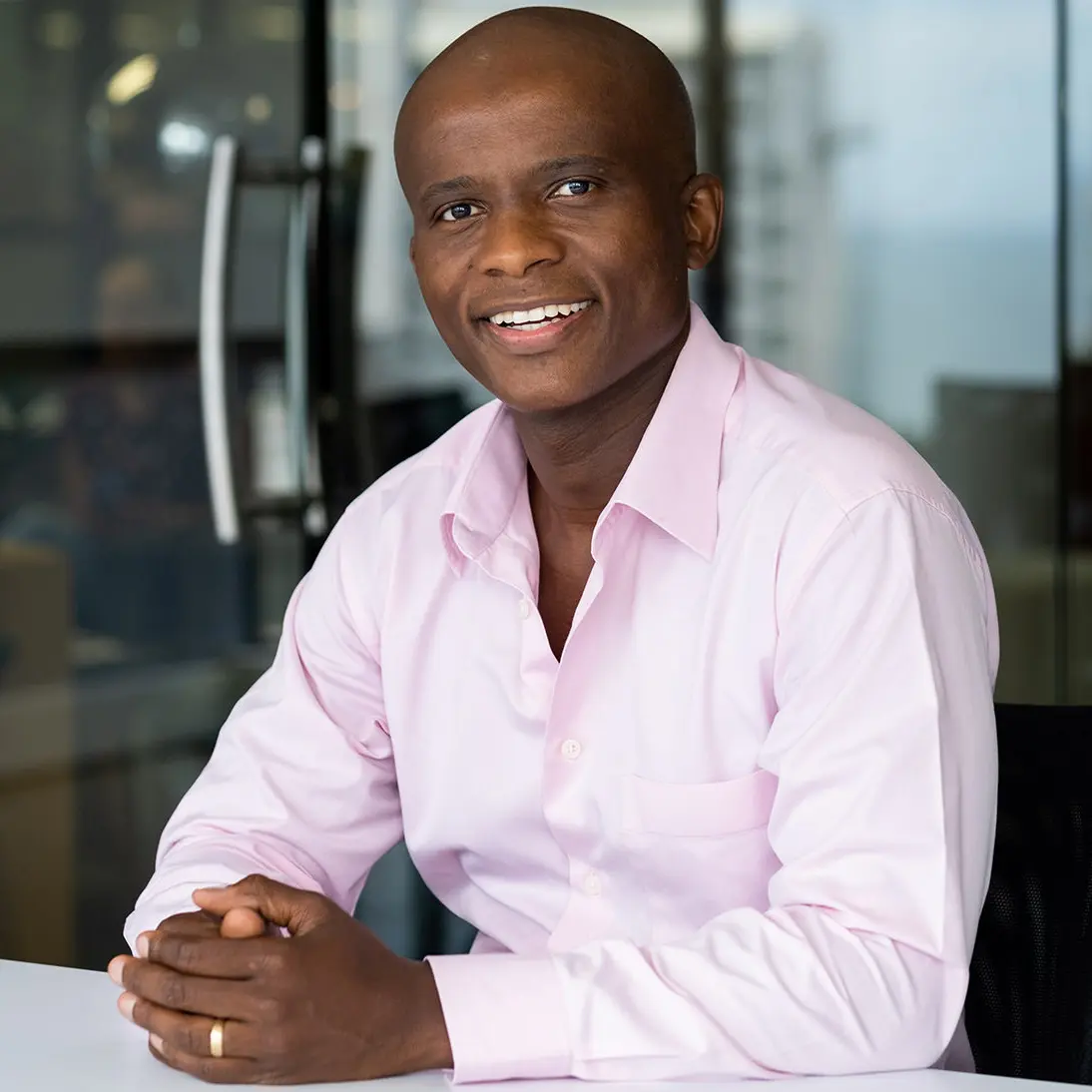
Christian Mbuso Mkhize
Director
Christian is a Ballito-based entrepreneur and business leader with over a decade of international corporate experience, combined with deep personal roots in KwaZulu-Natal. Born in Ntuzuma and raised between Umlazi and Westville, he built an early career in media and communications before joining Unilever, where he progressed rapidly into management and was later posted to Singapore, leading commercial operations across Southeast Asia and Australasia.
He returned to South Africa in 2014 and settled on the KwaZulu-Natal North Coast, where he founded two businesses: Mbuso We2, a food ingredient company specialising in vitamin premixes for food fortification, and Collab Café, a coffee venture operating through co-working spaces, events and mobile activations across the North Coast. Both ventures draw on the same qualities that have defined his career: adaptability, relationship-building and a willingness to act on opportunity.
Christian brings to the Lodestone board a rare combination of multinational corporate grounding, hands-on entrepreneurial experience and a personal understanding of the difference that mentorship, stability and community support can make in a young person’s trajectory – an understanding shaped by his own upbringing in KwaZulu-Natal. This informs his commitment to Lodestone’s mission of expanding access to quality, community-rooted education in the province.
As a husband and father of two young boys, Mbuso is driven by a desire to create a better future for his community.
Christian lives in Ballito with his wife, Kirstie, and their two sons.
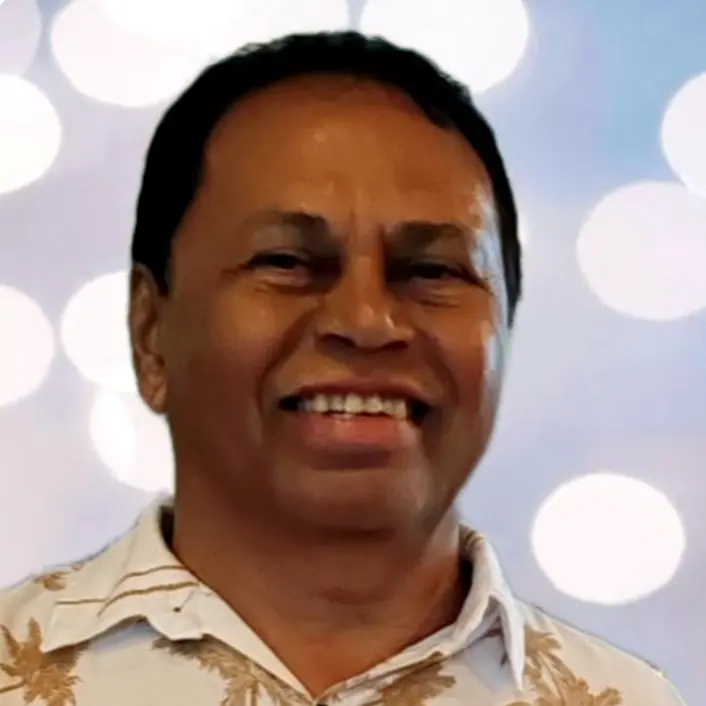
Roy Naicker
Director (Education)
Roy Naicker has a PhD in Education Management and Change Leadership. His educational involvement spans over forty years with the second half of his career largely involved in developing leadership at institutional level and influencing change in education offering. To this end, his political work with development groups, NGOs and local government,laid the foundation for his contribution to education.Working extensively with rural communities and disadvantaged institutions, he acquired a deep understanding of the sub-structures that underpin such communities,how to network with them and tap into their needs.
Passionate about technical education,Roy spent a considerable number of years teaching, lecturing, examining and externally moderating technical schools and colleges. Technical education is often the fastest bridge between untapped talent and economic stability.An urgent need exists for accessible, hands-on training that prepares community members for the modern workforce – renewable energy, coding, advanced manufacturing etc.He believes engaging communities to become inward looking,asset-based support structures will strengthen their involvement at the grass-roots level.
His involvement at management level in the Department of Basic Education saw him interact and implement policies of government to improve lives of learners. Now at the pinnacle of his leadership role at Umalusi Education Council, Roy draws on his vast experience gathered in over forty years to contribute to positive change in TVET Colleges and independent schools. Umalusi is a respected partner of the Department of Higher Education. Change ideas generated here impact the lives of millions of learners across the country, a multitude of them from disadvantaged communities.
His world view of Technical Education is to foster a “learn-here, work-here” ecosystem, ensuring that the economic benefits of these new skills impact the neighbourhood before being exported elsewhere.
Operations

Kyle Botha
Team Leader
Kyle began my career in 2013 after graduating from a small design school, starting out in a drawing office where I built a solid foundation in the practical side of the profession. In 2014, I joined CA Architects, and since then, my journey has been one of continuous growth and learning.
Over the years, I’ve had the privilege of working closely with Llewellyn Cronje, whose mentorship has played a significant role in shaping my approach and understanding of the industry. My experience at CA Architects now spans more than a decade, during which I’ve been involved in a wide range of projects across the Dolphin Coast – from mid-to high-end residential homes to commercial office buildings and retail centres.
I’m passionate about thoughtful, well-executed design and enjoy contributing to projects that balance functionality, aesthetics, and context.

Llewellyn Cronje
Lead Architect
After graduating from the University of Natal, I began my career working across a variety of sectors, including serving as lead architect for Anglovaal Mines. I later went on to establish my own practice in Johannesburg before returning to my hometown to found CA Architects in 2003.
Over the past two decades, I’ve had the privilege of contributing to the growth and development of Ballito and the greater Dolphin Coast. My work includes projects such as Tiffany’s Shopping Centre and the Valley of the Pools, along with numerous high-end residential homes and a wide range of other developments throughout South Africa.
I’m passionate about creating architecture that is thoughtful, contextually responsive, and built to stand the test of time
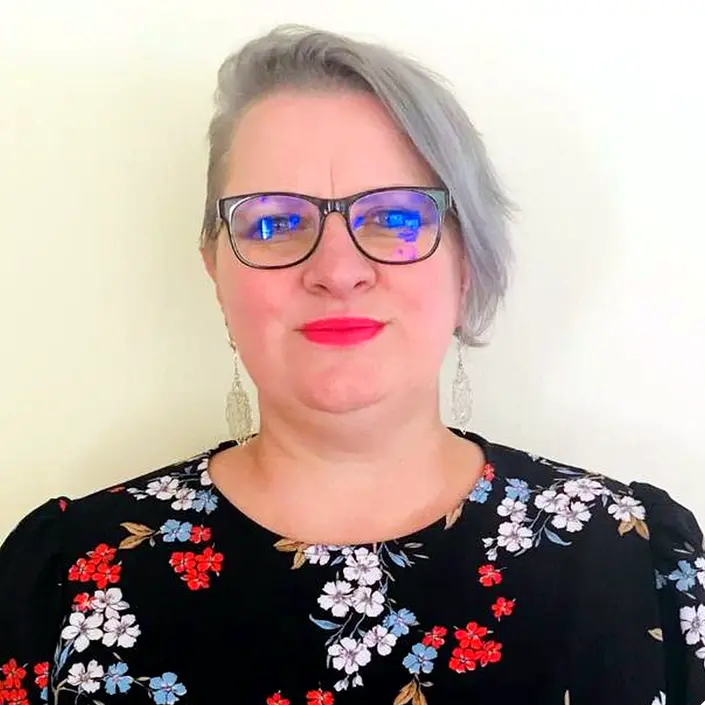
Natasha Dickinson
Curriculum Specialist
Natasha Dickinson is a learning design and education systems specialist with extensive experience in the development, accreditation, and digital delivery of education and training programmes in South Africa. She has worked across higher education, corporate training, and the national skills development sector, supporting organisations to design and implement programmes that meet regulatory requirements while delivering meaningful learning outcomes.
Her work focuses on the intersection of education, regulatory compliance, and digital learning environments, with practical experience in the frameworks governed by the Quality Council for Trades and Occupations (QCTO), Sector Education and Training Authorities (SETAs), SAQA, and the Department of Higher Education and Training (DHET).

Jeanne Haley
Community Convenor
Jeanne Haley is a community psychologist, narrative practitioner and leadership coach with over sixteen years of experience working at the intersection of education, psychosocial wellbeing and leadership development. Based in KwaZulu-Natal, she holds a Master of Social Science in Psychology (Community, Society and Research) and has built a multidisciplinary career combining trauma-informed coaching, participatory facilitation and systems-level programme design – a grounding directly suited to the work of embedding collaboration schools within their surrounding communities.
Her core expertise lies in convening diverse stakeholders and managing the complex dynamics that arise when schools, parents, traditional leadership and community structures are brought into shared purpose. Jeanne specialises in facilitating social and emotional learning processes, strengthening individual and collective agency, and building the trust and reflective dialogue needed for a school to be genuinely adopted as a community asset rather than an external intervention. Her qualitative research background further equips her to monitor and evaluate community-level outcomes and build a community of practice as a key attribute for learning and replication as programmes take root.
Jeanne brings a proven track record of building organisations and networks from the ground up. She is a founding director of Brighter Future Group, a Durban-based cooperative of life coaches focused on life skills and leadership development, and co-founder and lead of Mpower NPO, where she designs programmes that build youth empowerment and educator capacity in under-resourced communities. She has facilitated leadership circles with school principals, business leaders and non-profit partners, lectured and supervised community psychology students at university level, and presented and published on youth vulnerability and community dynamics.
Jeanne’s approach is grounded in a belief that schools flourish when they are held by their communities rather than imposed upon them – a principle central to establishing collaboration education that lasts beyond the life of any single programme.
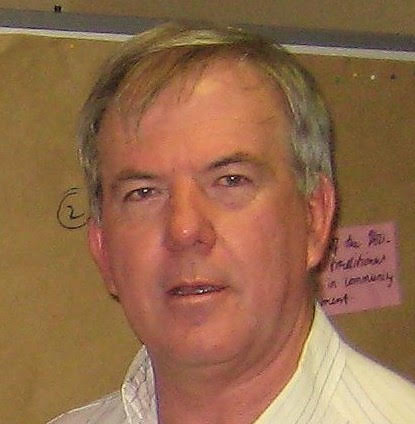
Colin Mitchell
Programme Coordinator
Colin believes in the transformative power of education and the importance of providing opportunities and support to help individuals thrive.
Colin has over 25 years’ experience in international development, programme design, management and facilitation with a strong focus on social and economic development and community empowerment.
Trained as an accountant with strategic planning, change management, executive coaching, and monitoring and evaluation as key capabilities. Colin has led multi-sector multi-national teams in developing and implementing change management and development programmes and projects in South Africa, Sub-Saharan Africa and Asia. These programmes have all been in support of at-risk, marginalised, or underserved communities, districts, or regions.
The most successful programmes have been those that amplify community voices to identify community assets and opportunities that can be leveraged and provide support and coaching to resolve binding constraints.
The costliest lessons have been where well-meaning ‘experts’ have sought to transplant so called best practice solutions from one locality to another with little or no understanding or consideration of context, culture, or history.